|
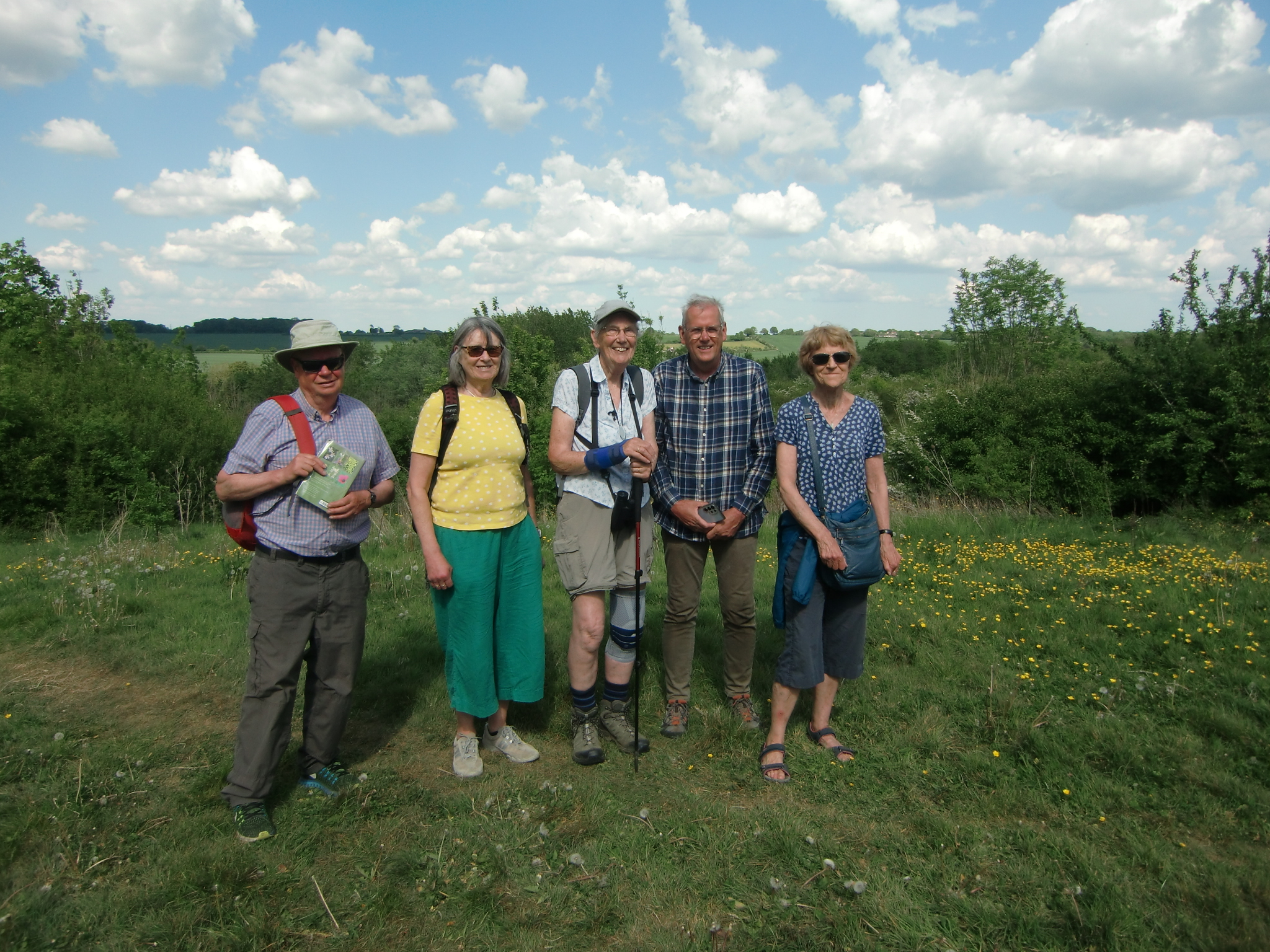
Would you like to see your surroundings with fresh eyes wherever you walk? The more plants you can recognise, the more rewarding walking becomes. Improve your identification skills by joining the Botany group. None of us are experts – we are all learning and help each other. We visit various nearby places rich in wild flowers. Our 2025 visits summary below gives a flavour (with our Halsey Field visit pictured here).
|
 |
Next Botany Group site visit:
Venue TBA: Monday 13 April at 2 pm
Members can contact Graham for more information via the envelope icon at the top of the page.
Our 2025 site visits are described below
The full list can be found at 2025 list.doc
|
|
|
|
|
|
|
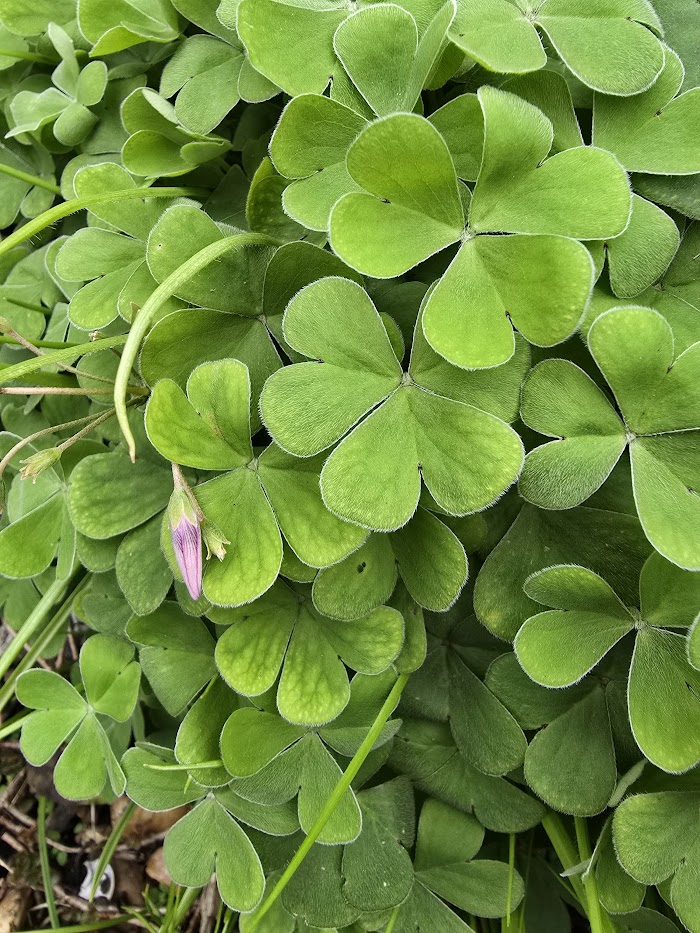
January: New Year Plant Hunt. A few of us took part in this national event for four days around 1 January, seeking and recording plants in flower. This year we did it in Croxley: New Road and some adjacent roads. We found 23 species in flower including Pink-sorrel (pictured).
|
 |
|
May: Halsey Field (Hemel Hempstead)
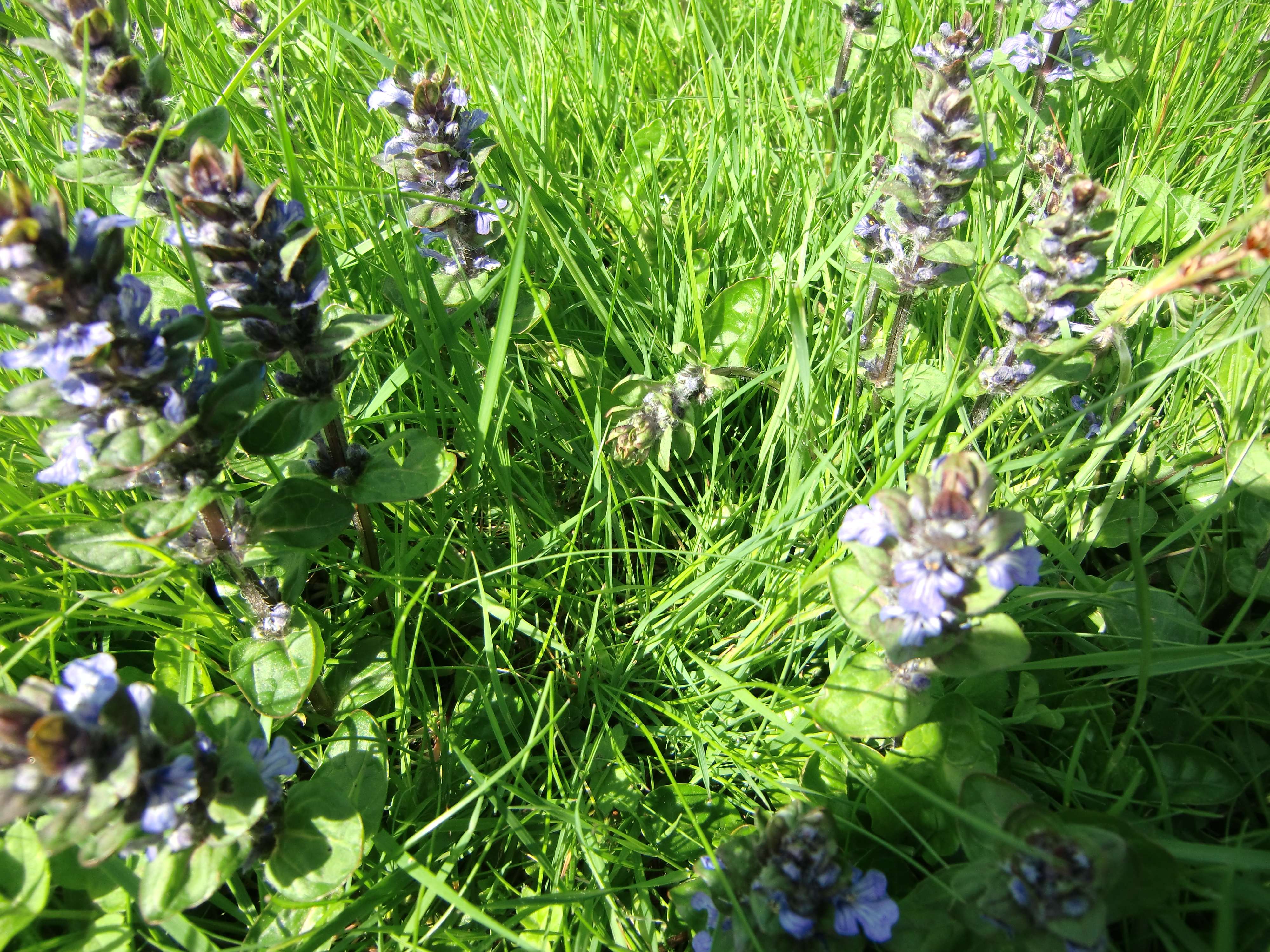
Plants seen included Bugle (pictured), one of the many attractive Dead-nettle family members.
|
 |
|
June: Aston Clinton Ragpits (near Tring)
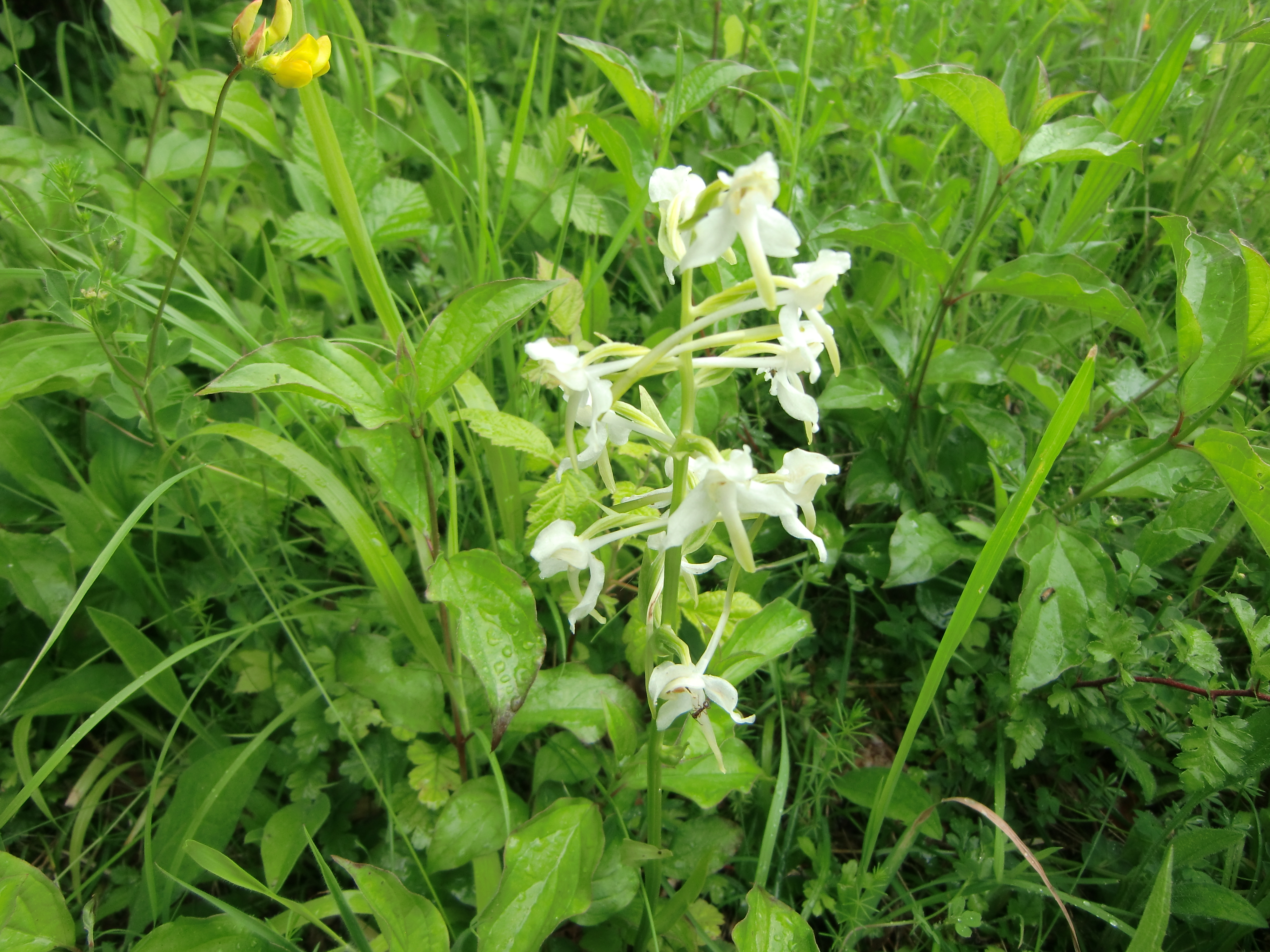
This former chalk pit is noted for its exceptional quantity and variety of Orchids, including Greater Butterfly-orchid (pictured). It has eight Orchid species in total, though not all are in flower at the same time.
|
 |
|
July: Totternhoe Knolls (near Dunstable)
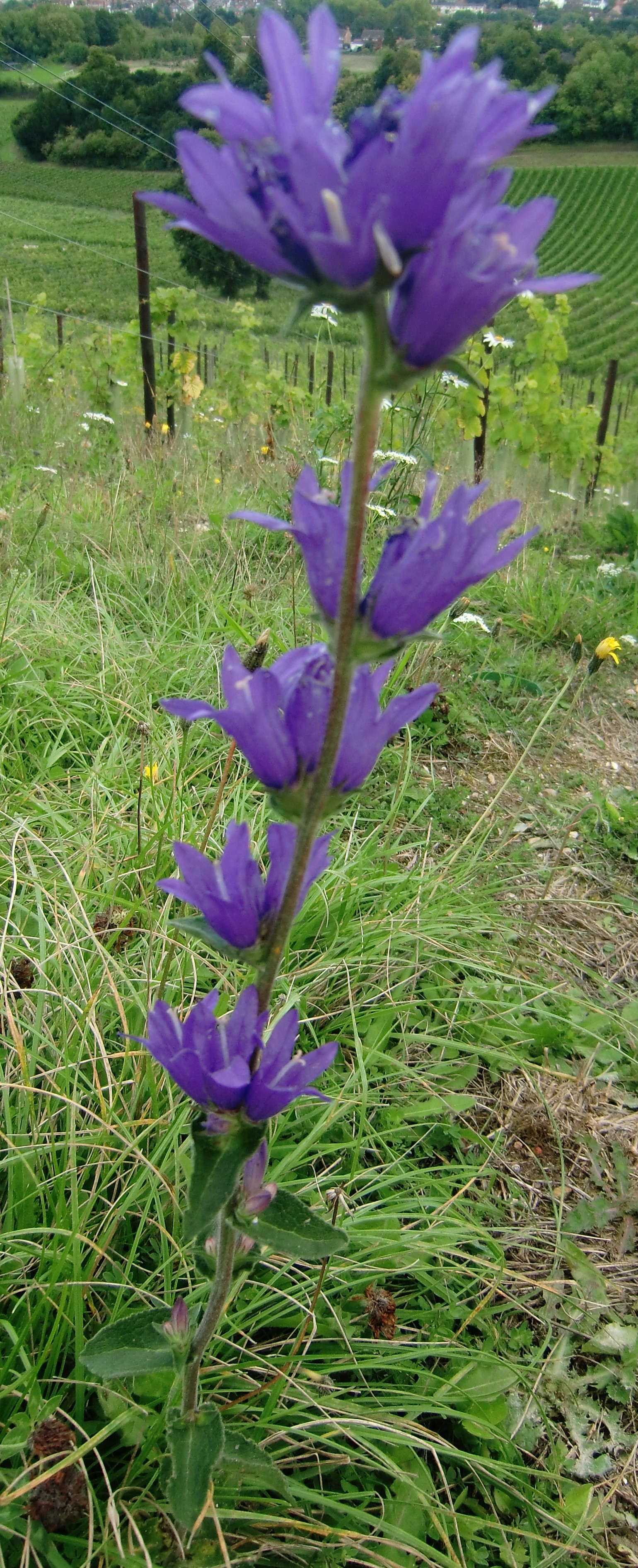
This was a full-day visit, in view of this site's large size and distance from Croxley. This former limestone quarry supplyied much of the stone used in building what is now St Albans Cathedral. Limestone and chalk (both "calcareous") sites generally have the richest flora. The many species seen included Clustered Bellflower (pictured).
|
 |
|
August: Barton Hills (near Barton-le-Clay)
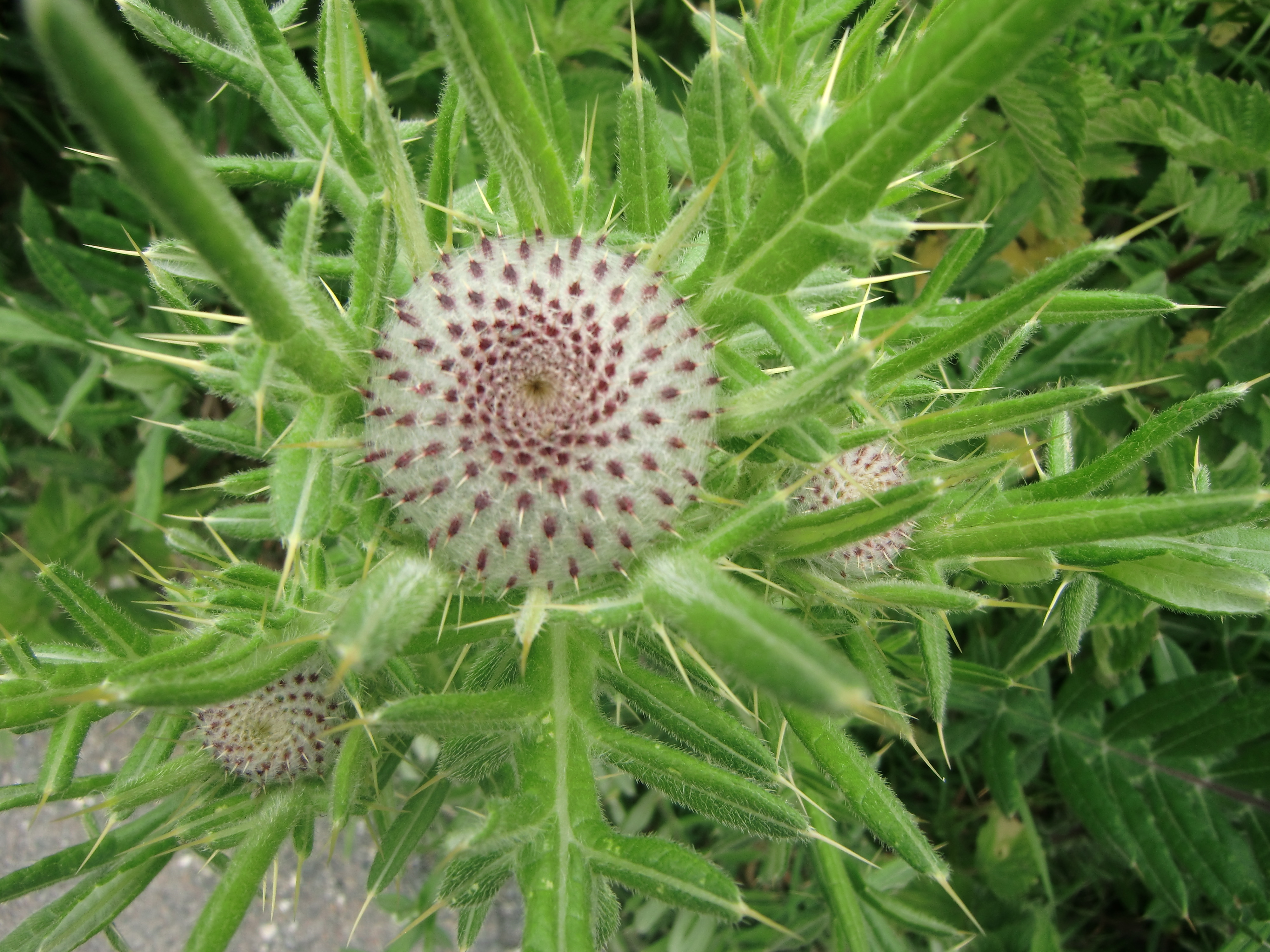
Another fine calcareous site: too large for us to cover fully in two hours, but what we saw was tantalising. The many species seen included Wooly Thistle: an uncommon Thistle, with a remarkable flower-head bud earlier in the year (pictured).
|
 |
|
September: Long Deans (Apsley)
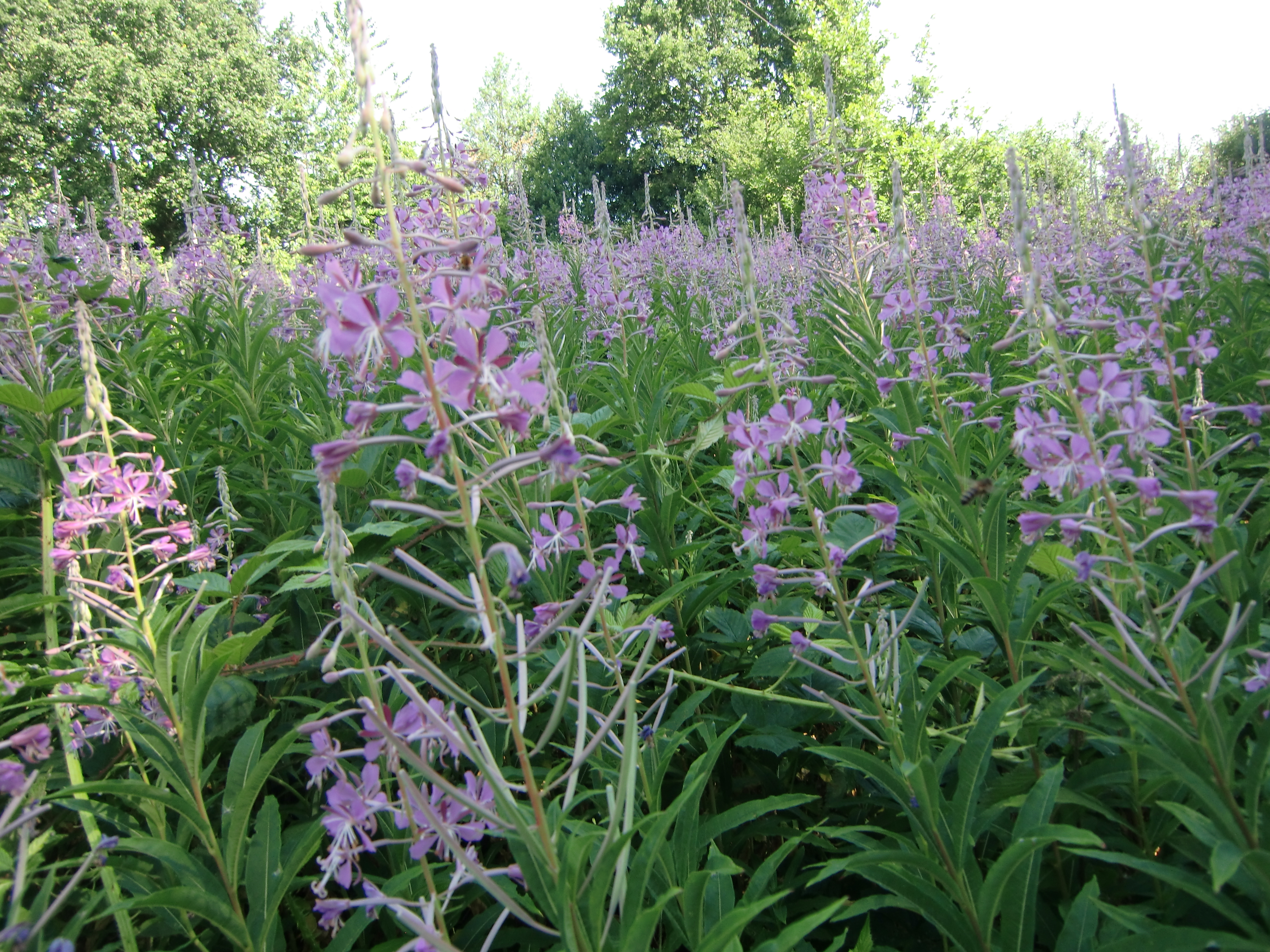
This was a rare occasion when heavy rain obliged us to abandon our visit. Before doing so we managed to see several species including Rosebay Willowherb (pictured), by then gone to seed.
|
 |
|
October: Verges in Watford Road and Gade Avenue.
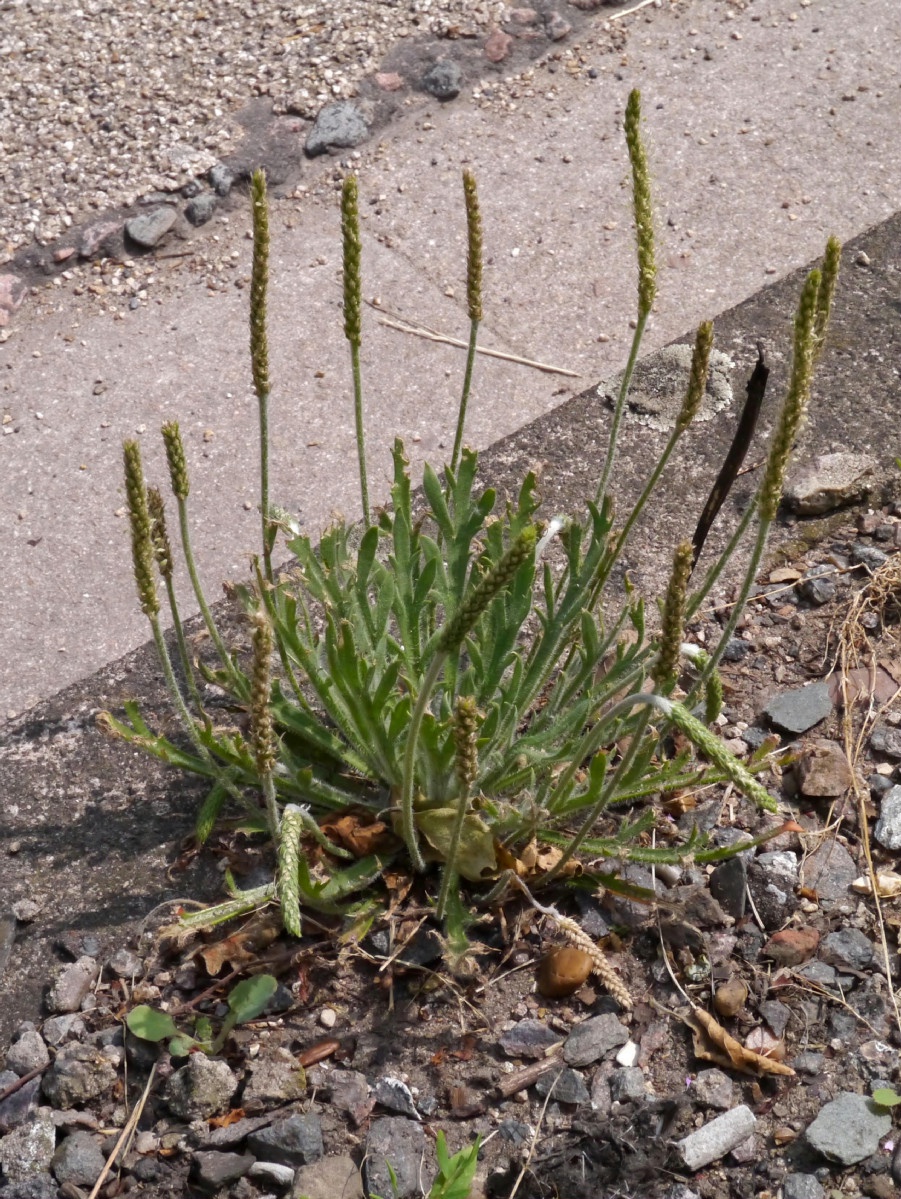
Our final visit is now routinely to road verges and/or central reservations in the local built-up area. Their significance has been increasingly recognised in recent years, including in a (recommended) new book "Urban Plants" by Trevor Dines. Ironically they face many challenges, but benefit from the higher urban temperatures. Plants seen included Buck's-horn Plantain (pictured), so named for its leaves resembling antlers. I've only ever seen this plant in trampled areas.
|
 |
 Return to Top ▲